
The Sylas Project is a non-profit dedicated to raising water safety awareness, providing nationwide survival swim scholarships to families in need, and reforming swimming pool legislation to keep all children safe. We exist to save one child at a time.

We are dedicated to raising water safety awareness, providing nationwide survival swim scholarships to families in need, and aim to reform swimming pool legislation in Florida to keep all children safe. We exist to save one child at a time.

Our kids are always glued to us, and we never think they will be out of our sight for even a moment. But drowning is silent, with no splashing and no cry for help, and a child can struggle at the surface for as little as 20 to 60 seconds before slipping under. From there, permanent brain injury can begin in as little as four to six minutes without oxygen. Seconds count, which is exactly why layers of protection matter (American Red Cross; AAP).
Among children ages 1-4, the drowning death rate rose about 28% from 2019 to 2022 (CDC Vital Signs, 2024). Florida has the nation's highest drowning rate for this age group, and more residential pools than any state, an estimated 1.5 million out of more than 10 million nationwide (Florida DOH; industry estimates).
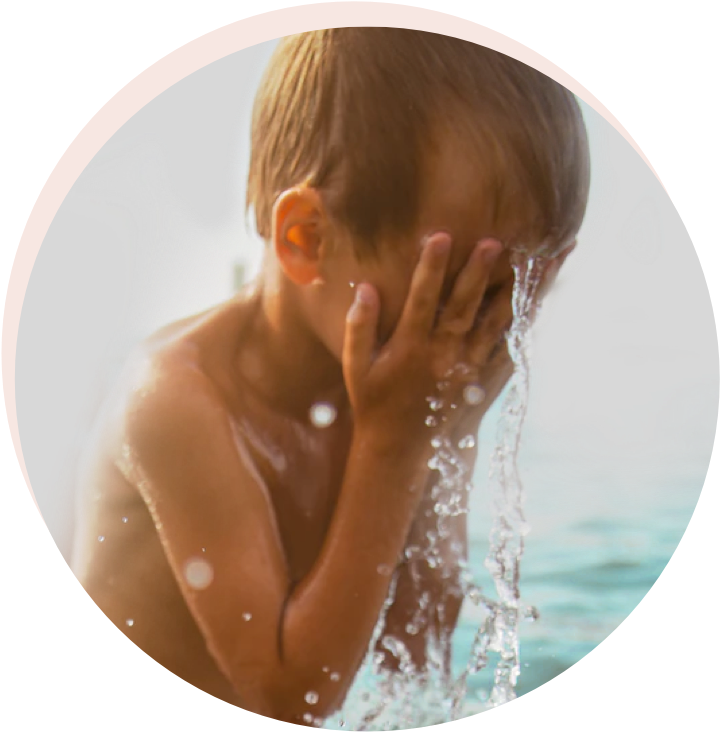
Toddlers and young children are experts at slipping out of sight for just a moment. And it isn't only toddlers: for children ages 5-14, drowning is the second leading cause of unintentional-injury death, after motor-vehicle crashes (CDC).
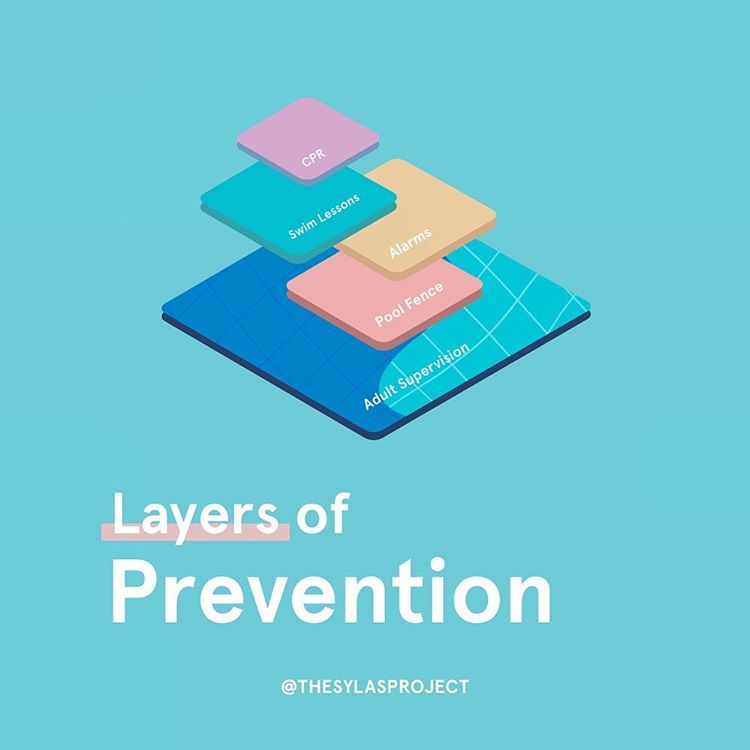
These preventative measures save children's lives. Just as you wouldn't drive your newborn home without a car seat, every home with a swimming pool should have a physical barrier in place any time a child under the age of 5 is around. The more layers of protection, the safer.

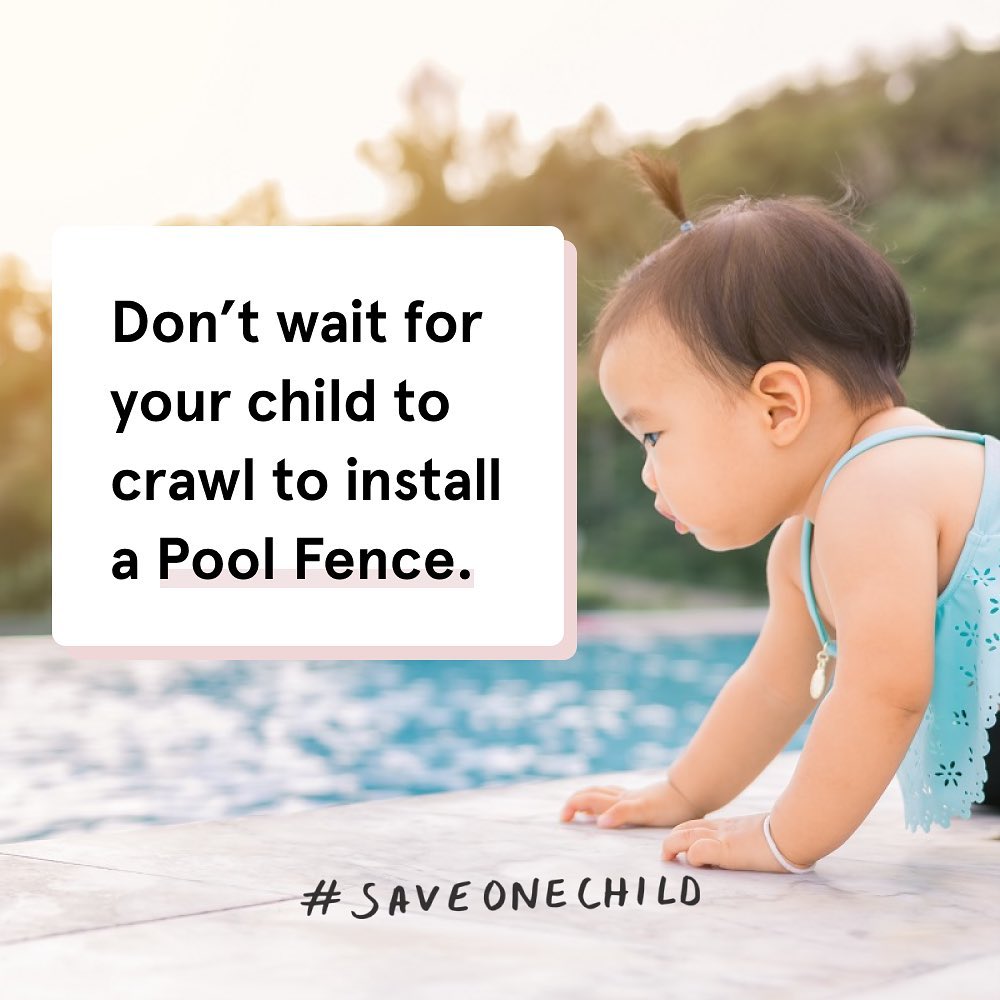
Install a permanent 4-sided isolation fence at least 4 feet high, with a self-closing, self-latching gate that opens away from the pool and slats too narrow to squeeze through or climb (CPSC).

Pool alarm systems can notify you the second the accident occurs, giving you just enough time to react.

Make sure all doors and windows leading to the pool are locked and alarmed.
We introduced the Sylas Alexander Gatlyn Act in the Florida Senate twice, as SB 960 in 2021 and SB 1826 in 2022, both sponsored by Senator Annette Taddeo. Both died in committee before reaching a vote. We are working to bring it back, because common-sense pool-barrier laws help protect children in their own homes. You can help by asking your own state legislators to support it.
SB 1826 (2022)The Sylas Alexander Gatlyn Act would have required that a swimming pool at a residence where a child younger than 5 years of age resides have a physical barrier meeting the requirements of this section in place any time the child is present and the pool is not being used or cleaned.
Read SB 1826 (2022)